Unity User Manual 2022.3 (LTS)
Use the Unity Editor to create 2D and 3D games, apps, and experiences. Download the Editor at unity3d.com.
The Unity User Manual helps you learn how to use the Unity Editor and its associated services. You can read it from start to finish, or use it as a reference.
If it’s your first time using Unity, take a look at the introductory documentation on Working with Unity, and refer to the Unity Tutorials.
New
- Features introduced in 2022 LTS: What’s New
- Upgrading Unity projects from older versions of Unity: Upgrade Guide
Packages
- Learn about packages: Working with the Package Manager
- Find documentation for a specific package: Verified packagesWhen a package passes release cycle testing for a specific version of Unity, it receives the Verified For designation. This means that these packages are guaranteed to work with the designated version of Unity.
See in Glossary and Preview packagesA preview package is in development and not yet ready for production. A package in preview might be at any stage of development, from the initial stages to near completion.
See in Glossary - Learn how to build a custom package: Creating custom packages
Best Practice guides
- Best practices from Unity Support engineers: Advanced best practice guides
Unity User Manual sections
Unity 2D
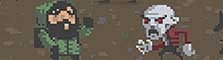
All of the Unity Editor’s 2D-specific features including gameplay, spritesA 2D graphic objects. If you are used to working in 3D, Sprites are essentially just standard textures but there are special techniques for combining and managing sprite textures for efficiency and convenience during development. More info
See in Glossary and physics.

Graphics
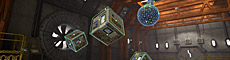
The visual aspects of the Unity Editor including camerasA component which creates an image of a particular viewpoint in your scene. The output is either drawn to the screen or captured as a texture. More info
See in Glossary and lighting.
Physics
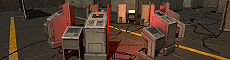
Simulation of 3D motion, mass, gravity and collisionsA collision occurs when the physics engine detects that the colliders of two GameObjects make contact or overlap, when at least one has a Rigidbody component and is in motion. More info
See in Glossary.




Further sources of information
Unity Answers or Unity Forums - here you can ask questions and search answers.
The Unity Knowledge Base - a collection of answers to questions posed to Unity’s Support teams.
Tutorials - step by step video and written guides to using the Unity Editor.
Asset Store help - help on Asset StoreA growing library of free and commercial assets created by Unity and members of the community. Offers a wide variety of assets, from textures, models and animations to whole project examples, tutorials and Editor extensions. More info
See in Glossary content sharing.
Known issues
Is a feature not working as you expect it to? It might be an existing Known Issue. Please check using the Issue Tracker at issuetracker.unity3d.com.